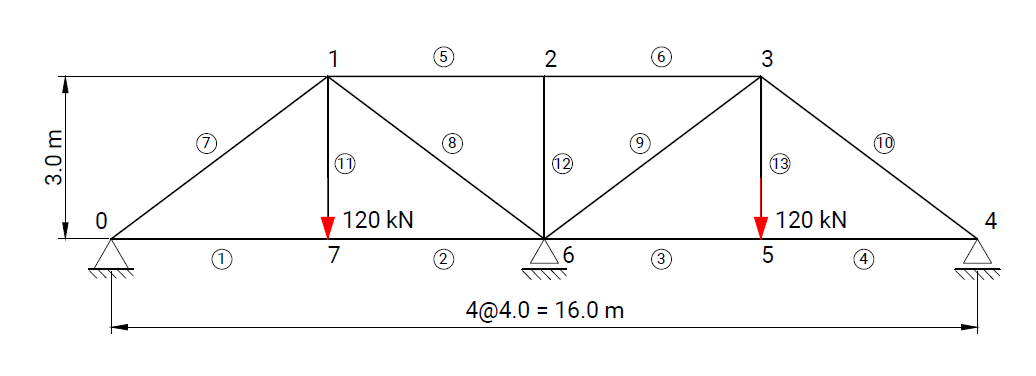
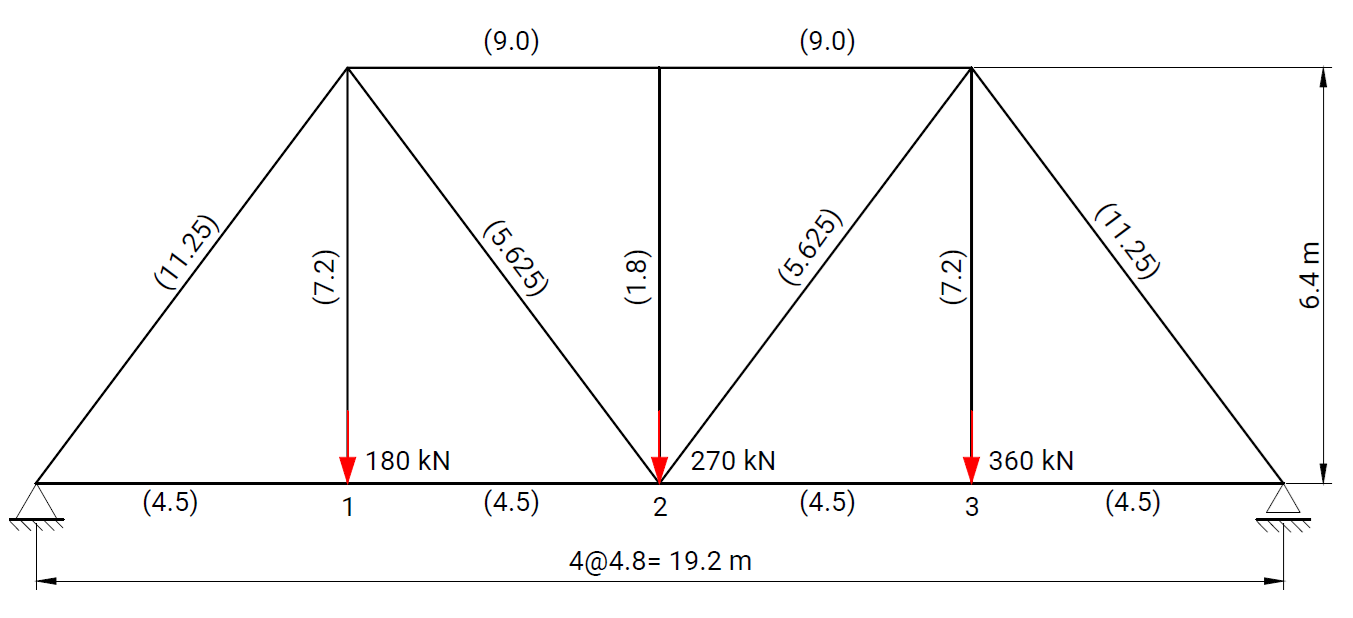
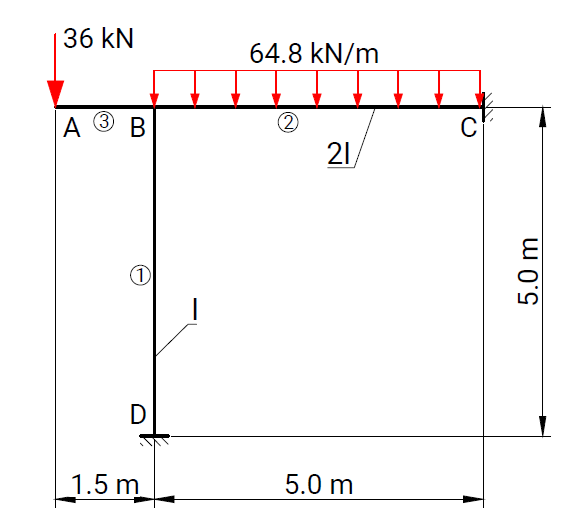
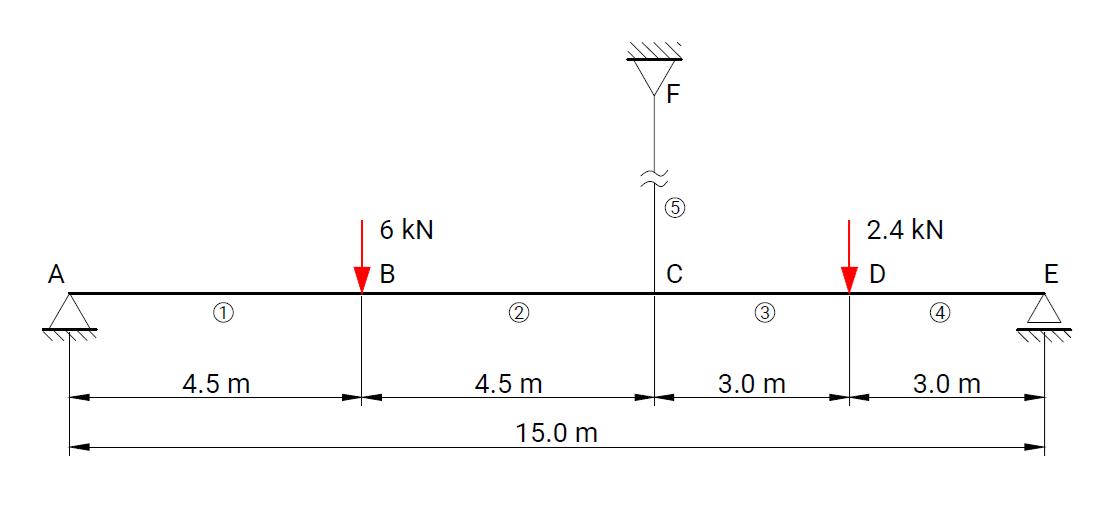
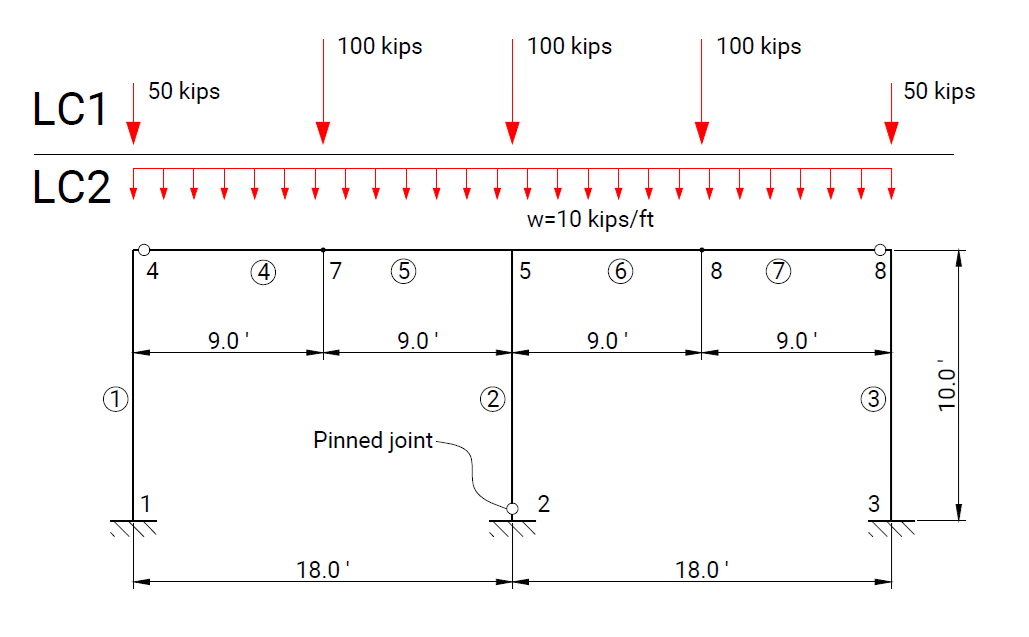
The objective of the verification process is to ensure the reliability of results produced by the computational solver and by the RodX interpretation layer, for all element types and boundary conditions available in the platform.
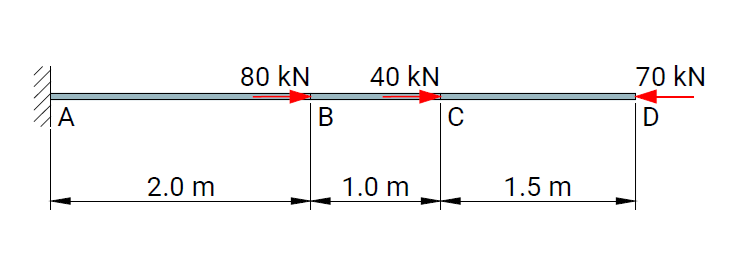
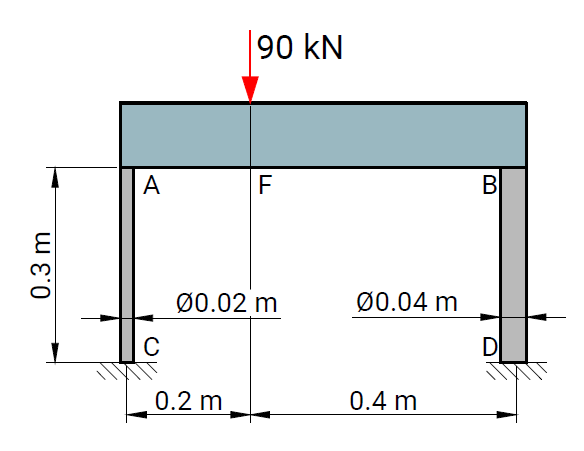
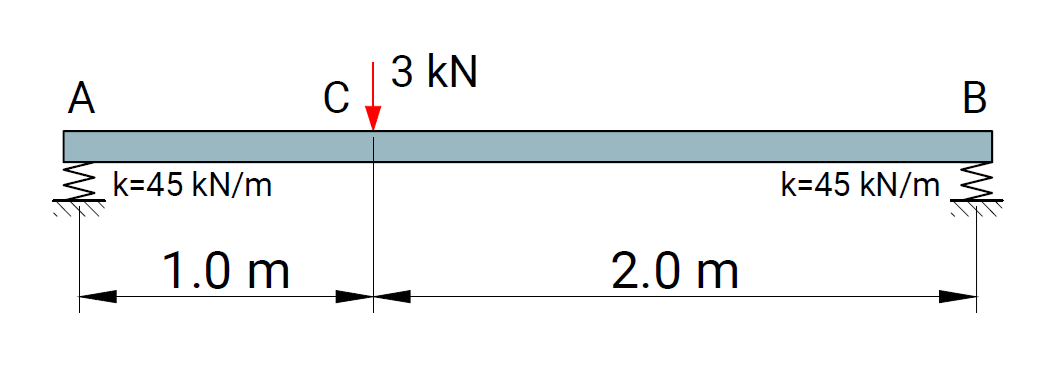
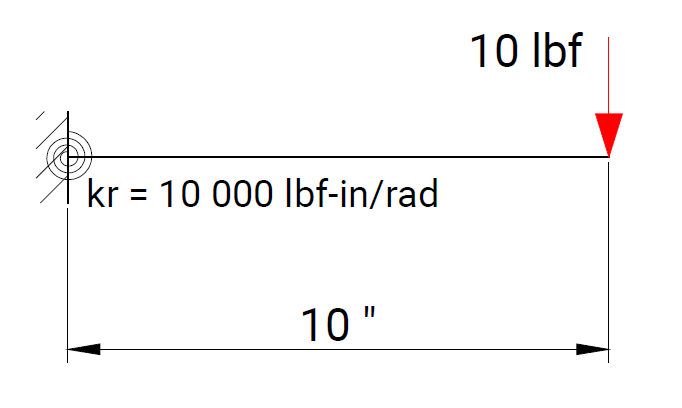
Each verification case is based on a well-defined structural scheme taken from widely recognized and authoritative textbooks on structural analysis and strength of materials. The presented problems cover the full range of supported modeling features, including beam and truss elements, hinges, elastic supports, and various boundary condition configurations.
For each case, numerical results obtained with RodX are compared with closed-form solutions. The comparison includes nodal displacements, internal forces, reaction forces, and the qualitative shape of force diagrams.
What this does — and doesn't — prove. These cases confirm that the solver and the RodX interpretation layer produce correct results for the modeling features they cover. They don't verify that a specific model you build is set up correctly, that your loads represent the real structure, or that your interpretation of a design code is correct — that responsibility stays with the engineer, as it does with any tool.